

Table of Contents
- Why Gold Markings Matter: Understanding Authenticity
- Step 1: Examine Common Gold Jewelry Stamps and Hallmarks
- Step 2: Perform the Magnet Test
- Step 3: Use an Acid Test Kit for Gold
- Step 4: Apply the Ceramic Plate Scratch Test
- Step 5: Check Weight and Density
- Understanding What Is a Certificate of Authenticity
- Distinguishing Gold-Plated, Gold-Filled, and Solid Gold
- Buy solid gold if:
- Buy gold-filled if:
- Buy gold-plated if:
- Frequently Asked Questions
Last Updated: September 28, 2026
Why Gold Markings Matter: Understanding Authenticity
Gold markings tell you whether a piece is real or fake. They're the first defense against counterfeit jewelry flooding the market. Understanding how to spot fake gold markings step by step is essential if you collect precious metals or buy gold jewelry.
Step 1: Examine Common Gold Jewelry Stamps and Hallmarks
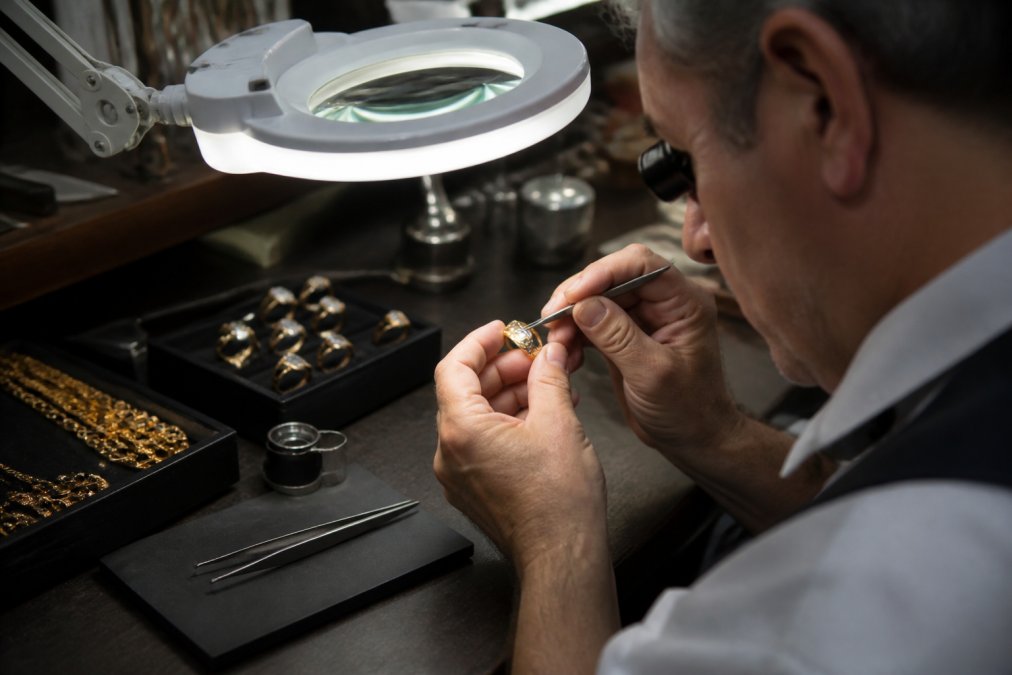
The first step is to look closely at what's stamped on the piece. Real gold always carries a marking that indicates its purity. Fake gold either has no marking, a misleading one, or a poorly executed stamp.
Reading Karat Stamps Correctly
Karat stamps show how pure the gold is. Common stamps in the U.S. are 10K, 14K, 18K, and 24K. Each number tells you the fraction of pure gold in the alloy.
- 24K = 99.9% pure gold (soft, rarely used for jewelry)
- 18K = 75% pure gold (common for fine jewelry)
- 14K = 58.3% pure gold (most common in the U.S.)
- 10K = 41.7% pure gold (durable, entry-level jewelry)
International Hallmarks and What They Mean
Different countries use different hallmark systems. Understanding them helps you verify authenticity across borders.
Common international hallmarks:
- UK (Assay Office marks): Lion passant (England), thistle (Scotland), harp (Ireland) plus a date letter and maker's mark
- European marks: Often include a head profile (owl, anchor, or eagle) indicating the assay office
- Italian marks: "750" for 18K, "585" for 14K, "375" for 9K, followed by maker initials
- French marks: Eagle head for 18K, owl for 14K
Step 2: Perform the Magnet Test
Gold is non-magnetic. This test is quick and reveals obvious fakes immediately.
Step 3: Use an Acid Test Kit for Gold
Acid testing is one of the most reliable ways to spot fake gold markings step by step. It works by reacting differently to different metals. However, this method carries serious safety risks that most DIY guides downplay.
Why Acid Testing Works
An acid test kit contains small bottles of nitric acid solutions. Each bottle is calibrated for a specific karat level. You scratch the gold piece lightly on an inconspicuous spot, then apply a drop of acid. The color reaction tells you the karat weight.
- 10K gold: Pale yellow reaction
- 14K gold: Darker yellow reaction
- 18K gold: Deep yellow or golden reaction
- 24K gold: Bright golden reaction
Critical Safety Protocols for Nitric Acid Testing
Nitric acid is a caustic chemical that causes severe burns to skin and permanent eye damage. The Federal Hazardous Substances Act classifies it as a corrosive material. This is not a test to perform casually or without preparation.
Non-negotiable safety requirements:
- Personal protective equipment: Wear nitrile gloves (at least 11-mil thickness), safety glasses with side shields, and a long-sleeved shirt. Latex gloves are insufficient; nitric acid penetrates them.
- Ventilation: Work outdoors or in a space with active exhaust ventilation. Never test indoors with only a window open. Nitric acid fumes are toxic and can damage lung tissue.
- Neutralization agent: Keep a container of baking soda or sodium bicarbonate within arm's reach. In case of spill, sprinkle baking soda directly on the acid to neutralize it before cleanup.
- First aid: Have water available for immediate rinsing. If acid contacts skin, rinse continuously with water for at least 15 minutes, then seek medical attention. If acid enters eyes, flush with water for at least 15 minutes and call emergency services immediately.
- Storage: Keep acid in a cool, dark place in a clearly labeled, sealed container. Store away from children, pets, and other chemicals. Never store in a metal container.
- Disposal: Do not pour acid down the drain. Contact your local hazardous waste facility for proper disposal instructions.
When to Skip DIY Acid Testing
If any of the following apply, do not perform acid testing yourself:
- You are uncomfortable handling chemicals. This is the most common reason to skip this test, and it's valid. Discomfort is a warning sign.
- The piece is valuable, antique, or collectible. Scratching it for testing can reduce its value. Professional testing preserves the piece.
- You lack proper ventilation or safety equipment. Improvising with inadequate PPE or poor ventilation increases risk significantly.
- You have skin conditions, respiratory issues, or are pregnant. Chemical sensitivity and pregnancy both increase vulnerability to acid exposure.
- You are testing on behalf of someone else. Liability concerns make professional testing the safer choice.
If You Proceed with Acid Testing
If you have proper equipment, ventilation, and experience, here's the correct procedure:
- Choose an inconspicuous spot on the piece (inside a ring, back of a pendant).
- Use a small file or scratch tool to create a tiny mark, exposing fresh metal.
- Apply one drop of the appropriate acid solution to the scratch.
- Observe the color reaction within 15 seconds.
- Wipe the acid away immediately with a paper towel.
- Rinse the piece under running water.
- Dispose of the acid according to local hazardous waste guidelines.
Step 4: Apply the Ceramic Plate Scratch Test
This test works on jewelry that's solid gold (not plated). You scratch the gold gently on an unglazed ceramic plate, then look at the streak.
Step 5: Check Weight and Density
Gold is dense. It feels heavy for its size. This test requires a scale and some math, but it's surprisingly effective.
Gold density: 19.3 grams per cubic centimeter
Understanding What Is a Certificate of Authenticity
A certificate of authenticity documents that gold is genuine. It includes the gold's weight, purity, origin, and sometimes the maker's information.
- The assayer's name and credentials
- The testing date
- The gold's weight in troy ounces or grams
- The karat weight or purity percentage
- A description of the piece
- The assayer's signature or seal
Distinguishing Gold-Plated, Gold-Filled, and Solid Gold
These three terms describe different gold compositions. Understanding the difference helps you spot fake gold markings and evaluate what you're actually buying. Counterfeitors exploit confusion between these categories, often selling plated or filled pieces as solid gold.
The Three Gold Types Defined
Solid gold contains the karat percentage throughout the entire piece. A 14K gold ring is 14K gold all the way through. It's durable, retains value, and cannot be faked by adding a surface layer.
| Type | Stamp | Durability | Gold Content | How It Wears | Typical Price Point |
|---|---|---|---|---|---|
| Solid Gold | 10K, 14K, 18K, 24K | Years to decades | 41.7%-99.9% throughout | Doesn't wear off; can be refinished | High |
| Gold-Filled | 14K GF, 18K GF | 5-10 years | 5%+ of total weight | Gold layer gradually shows base metal | Medium |
| Gold-Plated | 14K GP, plated | 1-3 years | <1% of total weight | Gold flakes off in patches | Low |
How Counterfeits Exploit These Distinctions
Plated sold as filled: A piece with a thin electroplated layer is stamped "14K GF" (gold-filled) to justify a higher price.
How to Authenticate Each Type
Testing solid gold:
- Magnet test: Solid gold is non-magnetic. If it sticks to a magnet, it's not solid gold.
- Acid test: Produces the expected color reaction for the claimed karat weight throughout the piece.
- Weight and density: Matches the expected density of solid gold (19.3 g/cm³).
- Ceramic scratch test: Leaves a golden or yellow streak; does not expose base metal.
Testing gold-filled:
- Magnet test: Depends on the base metal. If the base is steel, it will be magnetic.
- Acid test: Produces the correct reaction on the surface, but if you scratch deeply, you'll expose the base metal.
- Ceramic scratch test: Leaves a golden streak initially, but repeated scratching exposes the base metal underneath.
- Stamp verification: Must be marked "GF" or "gold-filled." If it says only "14K" or "18K" with no designation, it's misrepresented.
Testing gold-plated:
- Magnet test: Often magnetic if the base is steel or nickel.
- Acid test: Reacts to the base metal quickly; the gold layer is too thin to produce the expected gold reaction.
- Ceramic scratch test: Leaves a black or gray streak; the gold layer is too thin to show a golden streak.
- Stamp verification: Must be marked "GP" or "plated." Absence of these designations is a red flag.
Red Flags for Misrepresentation
If you encounter any of these, the piece is likely mislabeled:
- Stamp says "14K" or "18K" with no "GF" or "GP" designation, but the piece is lightweight. Solid gold of that size should feel noticeably heavy. Light weight suggests plating or filling.
- Stamp is shallow, blurry, or poorly executed. Legitimate stamps are crisp and deeply impressed. Fake stamps are often shallow or uneven.
- The seller claims "solid gold" but the price is suspiciously low. Solid 14K gold jewelry costs significantly more than plated or filled. If the price seems too good to be true, it probably is.
- Visible wear shows base metal after a few months. Solid gold doesn't expose base metal. If you see discoloration or a different metal showing through, it's plated or filled and was mislabeled.
- The piece is from an unknown online seller with no return policy. Legitimate sellers stand behind their products. No-return policies are a common tactic for fraud.
- The certificate of authenticity is generic or unsigned. A legitimate certificate includes the assayer's name, credentials, and signature. Unsigned or generic certificates are worthless.
When to Buy Each Type
Buy solid gold if:
- You're buying an heirloom or collectible.
Buy gold-filled if:
Buy gold-plated if:
Frequently Asked Questions
How can I test for fake gold at home?
You can perform several home tests to spot fake gold markings: check the karat stamp for accuracy, use a magnet to test magnetic susceptibility (real gold is non-magnetic), perform a ceramic plate scratch test to observe color consistency, and use an acid test kit designed for gold. Each test provides clues about authenticity. However, home testing has limitations, a Certificate of Authenticity from a reputable source like Parker's Gold provides verified confirmation that professional assayers have already validated the gold's purity and origin.
What do the numbers on gold jewelry mean?
Numbers on gold jewelry indicate karat weight and purity. Common stamps include 10K (41.7% pure gold), 14K (58.3% pure gold), 18K (75% pure gold), and 24K (99.9% pure gold). These numbers tell you the ratio of gold to other metals in the alloy. International hallmarks may also include assay office marks or maker's marks. Fake gold often has incorrect or misaligned stamps, or uses numbers that don't match standard karat designations. Always verify that stamps are crisp, properly centered, and match legitimate hallmark standards.
What is a certificate of authenticity and why does it matter?
A Certificate of Authenticity is an official document verifying that gold has been tested and confirmed genuine by a professional assayer or jeweler. It documents the gold's purity, weight, origin, and testing methods used. For collectible gold like pieces from Parker's Gold, a certificate proves the item is sourced directly from the operation and has been authenticated. This protects your investment and provides documented proof of authenticity if you ever sell or gift the gold. Without a certificate, you have no independent verification of claims about the gold's origin or purity.
Can fake gold have a 14K stamp?
Yes, counterfeit gold can have a 14K stamp or any other karat marking. Counterfeiters often stamp fake pieces with legitimate-looking hallmarks to deceive buyers. This is why a stamp alone is not sufficient proof of authenticity. You must combine stamp inspection with physical testing, magnet tests, acid tests, weight checks, and ceramic scratch tests, to verify the gold is genuine. When purchasing authenticated gold, always request a Certificate of Authenticity and verify it through the seller's official documentation to confirm the stamp is legitimate.