

Table of Contents
- Why Collectors Look Beyond Traditional Mints
- Direct-Source Gold: Mining Operation Collectibles
- How to Verify Gold Authenticity Before You Buy
- Is Buying Raw Gold a Good Investment for Collectors
- Comparing Numismatic Value vs. Bullion Weight
- Storage, Preservation, and Long-Term Care
- Resale Markets and Secondary Trading Platforms
- Conclusion
Last Updated: August 20, 2026
Why Collectors Look Beyond Traditional Mints
Collectors seeking authentic gold pieces often discover that Alaska Mint alternatives for collectors offer distinct advantages in sourcing, authentication, and investment potential. The shift toward alternative sources reflects a broader trend in the numismatic and bullion communities, where direct-from-source materials command premium valuations and carry stronger provenance documentation.
Traditional mint operations have served collectors for decades, but their standardized production models don't always meet the needs of serious collectors hunting for rare, limited-edition pieces with verified historical significance. When a collector wants something beyond mass-produced coins or bars, Alaska Mint alternatives for collectors become essential to explore.
The appeal extends beyond novelty. Collectors recognize that raw placer gold, poured silver, and mining-operation collectibles carry intrinsic value tied to their origin story. A piece sourced directly from an active mining operation, verified through documentation and presented with authentication certificates, offers both tangible metal content and numismatic value that generic bullion cannot replicate.
Parker's Gold has pioneered this direct-source model, offering collectors authenticated gold flakes from Parker Schnabel's legendary Dominion Creek operation in the Yukon. Each piece arrives with an official Certificate of Authenticity, eliminating the guesswork that often plagues secondary market purchases. For collectors tired of questioning whether their purchases are genuine, this approach eliminates uncertainty.

Direct-Source Gold: Mining Operation Collectibles
Direct-source gold collectibles represent a category distinct from both standard bullion and traditional numismatic coins. These pieces originate from active mining operations and are presented with documentation proving their extraction location and date, giving collectors a tangible connection to a real place and a real process.
The appeal of mining-operation collectibles lies in their authenticity narrative. Unlike coins minted in facilities thousands of miles away, these pieces carry the story of the land they came from. Collectors who follow the Gold Rush documentary series on Discovery Channel particularly value items sourced from operations they've watched unfold on screen. This creates an emotional investment beyond the metal's spot price.
Poured silver and raw placer gold represent two primary categories within direct-source collectibles. Poured silver items are cast from molten precious metal, often bearing unique surface characteristics and weight variations that make each piece distinct. Raw placer gold, by contrast, consists of natural gold flakes recovered through mining processes, presented in their unrefined state. Both formats appeal to collectors seeking something visibly different from standardized minted products.
Authentication becomes paramount with direct-source materials. Reputable sellers provide certificates documenting the origin, weight, purity, and recovery date. Parker's Gold's tri-fold presentation case and official Certificate of Authenticity exemplify this standard. The certificate serves as proof of authenticity for future resale and establishes the piece's provenance in the secondary market.
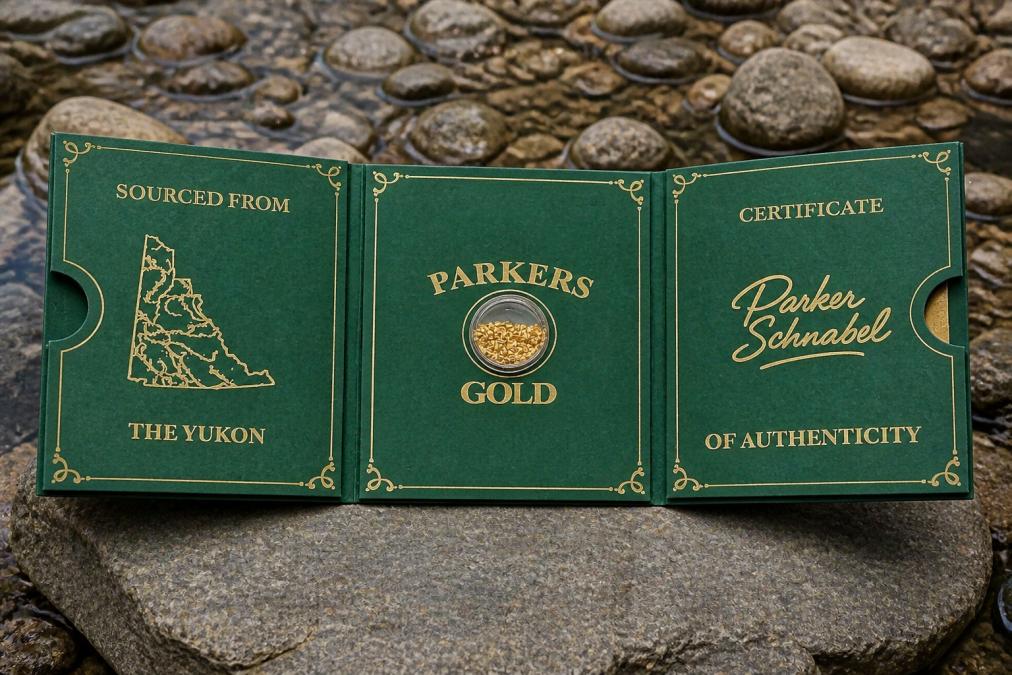
Collectors should verify that any direct-source gold offering includes documentation meeting these baseline standards: extraction location, recovery date, weight in troy ounces, purity assay results, and seller's authentication guarantee. Without these elements, a piece is merely unverified raw material, not a collectible with established provenance.
How to Verify Gold Authenticity Before You Buy
Distinguishing authentic direct-source gold from counterfeit or misrepresented material requires understanding several verification methods. The first step involves examining the seller's authentication credentials and documentation standards.
Legitimate sellers provide assay reports, third-party analyses confirming metal purity and weight. An assay certificate from an accredited testing facility carries significantly more weight than a seller's verbal claim. Request documentation showing the assay date, the testing facility's name and credentials, and specific purity percentages. Reputable operations like Parker's Gold include these details with every purchase.
Visual inspection alone cannot definitively confirm authenticity, but it reveals important clues. Genuine placer gold exhibits natural surface variation, irregular edges, and visible color consistency with the metal's purity level. Counterfeit pieces often display unnaturally uniform surfaces or suspicious regularity. Examine the piece under magnification, natural gold shows microscopic texture patterns that are difficult to replicate.
Weight verification offers another authentication layer. Genuine gold at stated purity should match predictable weight calculations. If a piece is claimed to be one troy ounce of 99.9% pure gold, it should weigh approximately 31.1 grams. Significant deviations suggest either misrepresentation or contamination. Use a precision scale accurate to 0.01 grams for this verification.
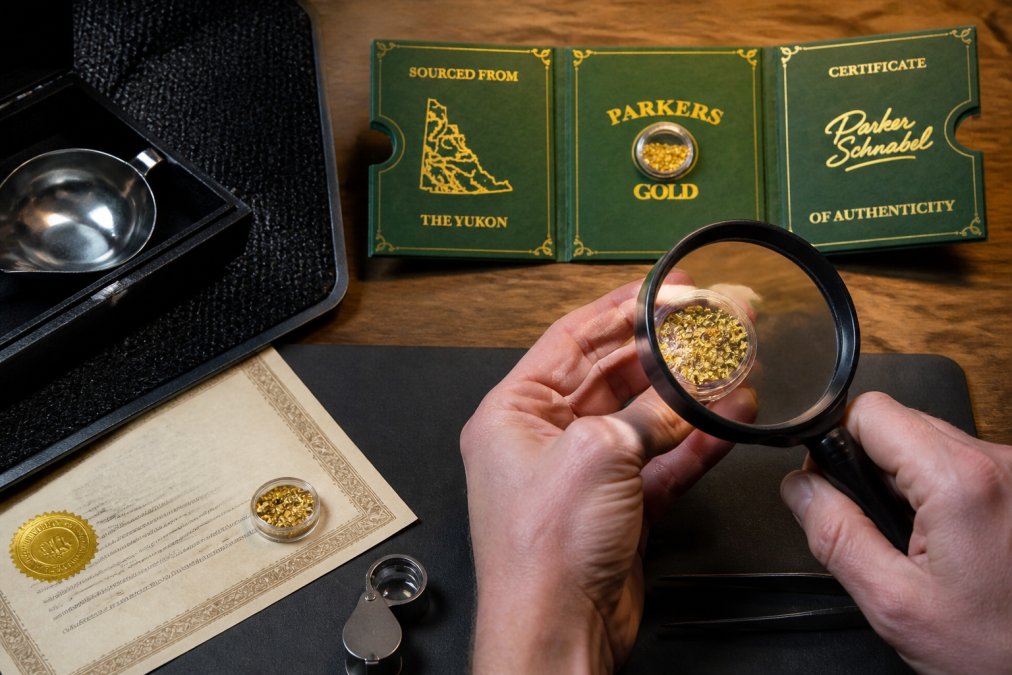
Certificate verification represents the most practical authentication method for most collectors. Confirm that the Certificate of Authenticity includes the seller's contact information, a unique serial number, the assay laboratory's name, and specific purity and weight claims. Contact the issuing facility directly to verify the certificate's authenticity, many counterfeiters produce convincing-looking documents without actual laboratory backing.
Digital authentication tools are emerging in the collector community. Some sellers now provide QR codes on certificates linking to blockchain-verified ownership records. While this technology remains relatively new, it offers an additional layer of transparency. Collectors interested in maximum authentication assurance should inquire whether sellers offer these digital verification options.
Is Buying Raw Gold a Good Investment for Collectors
Raw gold serves two distinct investment purposes: as a store of precious metal value and as a collectible with potential appreciation beyond spot price. Understanding which applies to your purchase determines whether the investment makes financial sense.
As a precious metal store, raw gold tracks closely to the spot price, the current market rate for one troy ounce of pure gold. Collectors buying purely for metal content should compare direct-source gold pricing against bullion dealers offering similar purity levels. If a piece costs significantly more than spot price plus reasonable markup, the premium reflects collectible status rather than metal value.
Collectible premiums exist when a piece carries historical significance, limited mintage, verified provenance, or connection to a recognizable source. Parker's Gold pieces command premium valuations because they originate from a documented, televised mining operation. Collectors view these pieces not merely as gold metal but as tangible artifacts from a specific time and place. This premium can appreciate or depreciate based on collector demand.
The investment decision hinges on your intent. If you're building a precious metals portfolio for inflation protection, raw gold from unknown sources offers no advantage over standard bullion, and may cost more. If you're collecting pieces with documented origin stories and verified authenticity, the premium reflects real value to future buyers who share that interest.
Market factors affecting raw gold investment potential include collector interest in the source operation, rarity of pieces from that specific location, condition and presentation quality, and availability of competing pieces. Gold from active mining operations featured in popular media tends to maintain stronger secondary market demand than anonymous raw gold from generic sources.
Comparing Numismatic Value vs. Bullion Weight
This distinction separates serious collectors from commodity traders. Numismatic value refers to the premium a piece commands beyond its precious metal content. Bullion weight represents the pure metal content valued at current spot prices.
A piece of raw placer gold weighing one troy ounce of 99.9% purity contains approximately $2,100 in bullion value (at typical 2026 spot prices). If that same piece sells for $3,500, the additional $1,400 represents numismatic premium. This premium reflects the piece's collectible status, historical significance, authentication documentation, and presentation quality.
Numismatic premiums fluctuate based on collector demand. Pieces from well-known mining operations maintain stronger numismatic value because collectors actively seek them. Pieces from obscure sources may struggle to command premiums above spot price, making them poor investments unless you're buying purely for metal content.
Understanding your purchase's composition helps predict resale potential. If 80% of a piece's value derives from numismatic premium and only 20% from bullion weight, you're dependent on collector demand for profitable resale. If 90% comes from bullion weight and 10% from numismatic premium, you have a floor price based on metal content alone.
| Value Component | Percentage of Price | Market Sensitivity | Resale Predictability |
|---|---|---|---|
| Bullion weight (metal content) | 60-70% | Tied to spot price | Highly predictable |
| Numismatic premium | 30-40% | Tied to collector demand | Moderately variable |
| Authentication/presentation | 5-10% | Tied to condition | Stable over time |
Direct-source pieces from recognized operations typically maintain strong numismatic premiums because the source's reputation supports ongoing collector interest. Parker's Gold's connection to the Discovery Channel's Gold Rush series provides sustained collector demand, supporting numismatic valuations.
Storage, Preservation, and Long-Term Care
Raw gold requires minimal maintenance compared to silver pieces, which tarnish readily. However, proper storage prevents damage to presentation materials and maintains the piece's condition for future resale.
Temperature stability matters more than many collectors realize. Extreme fluctuations can stress the metal and damage presentation cases. Store pieces in environments maintaining temperatures between 60-75°F with relative humidity below 50%. Basements and attics experience wider temperature swings and should be avoided.
Airtight containers protect against environmental exposure. The tri-fold display cases provided by quality sellers like Parker's Gold are designed with this principle in mind. These cases maintain a stable microclimate around the gold, preventing oxidation and dust accumulation. Avoid removing pieces from their original cases unless absolutely necessary.
Direct handling should be minimized. Oils from human skin can deposit residue on gold surfaces, potentially affecting appearance over time. When handling is necessary, wear cotton gloves or use tweezers to avoid direct contact. This practice preserves the piece's original surface characteristics, which collectors value when assessing authenticity and condition.
Insurance becomes critical for valuable pieces. Document your collection with photographs, certificates, and appraisals. Store this documentation separately from the physical pieces. Many collectors maintain digital copies in secure cloud storage and physical copies in safe deposit boxes. For pieces exceeding $5,000 in value, specialized insurance covering precious metals collectibles provides protection against theft or loss.
Resale Markets and Secondary Trading Platforms
Secondary market demand determines whether your collection maintains value or appreciates. Understanding where to sell and to whom shapes your long-term investment strategy.
Specialized precious metals dealers represent the most straightforward resale channel. These businesses purchase collections and individual pieces, offering prices based on current spot rates plus assessments of numismatic premiums. Dealers typically offer lower prices than private sales because they assume resale risk, but they provide immediate liquidity and handle logistics.
Online marketplaces dedicated to precious metals collectibles have expanded significantly. Platforms connecting collectors directly reduce intermediary markups but require more effort to find qualified buyers. Pieces with strong provenance and authentication documentation sell more readily in these markets. Pieces lacking clear documentation may struggle to find buyers willing to pay premium prices.
Auction houses specializing in precious metals and collectibles offer another avenue. These venues attract serious collectors willing to bid competitively for rare or highly documented pieces. Auction sales typically generate higher prices for exceptional pieces but involve commission fees (typically 10-20%) and longer selling timelines.
Collector communities and forums provide informal secondary markets. Enthusiasts of specific mining operations or sources often congregate online, creating natural demand for pieces from those sources. Parker's Gold pieces, given their connection to the Gold Rush documentary series, benefit from active collector communities seeking these specific items.
Pricing in secondary markets reflects several factors: current spot price for the metal content, rarity and scarcity of the specific piece, condition and presentation quality, documentation completeness, and overall collector demand for the source. Pieces from documented, recognizable sources maintain stronger secondary market premiums than pieces lacking clear provenance.
Collecting raw gold and direct-source precious metals requires understanding both the metal's intrinsic value and its collectible premium. The best pieces combine authentic origin documentation, professional presentation, and connection to sources with sustained collector interest. Parker's Gold's Dominion Creek collection exemplifies this standard, each piece arrives with verified authentication, professional display casing, and connection to a recognized mining operation featured on Discovery Channel's Gold Rush. For collectors seeking to own a tangible piece of Yukon history while maintaining investment potential, this combination of authenticity, presentation, and provenance represents the gold standard in direct-source collecting.
Claim Yours and secure your piece of verified Yukon gold history with the Parker Schnabel Yukon Gold Flakes - Dominion Creek Collector Package, complete with official Certificate of Authenticity and fully insured, tracked delivery.
Frequently Asked Questions
Are Alaska Mint coins worth anything as collectibles?
Alaska Mint medallions hold value based on precious metal content, mintage numbers, and collector interest. Lower-mintage pieces and those with historical significance typically command higher prices on the secondary market. However, their value depends on whether you're evaluating them as bullion (spot price) or numismatic collectibles (rarity and demand). Authentication and condition directly affect resale potential, so obtaining proper documentation is essential for proving authenticity to future buyers.
How do I verify gold authenticity before making a purchase?
Authentic gold should come with an official Certificate of Authenticity from the seller, detailing the source, weight, and purity. Examine the piece for proper mint marks, assay stamps, and consistent surface characteristics. Request documentation of provenance and verification methods used by the seller. Third-party assay services can confirm metal content and purity through non-destructive testing. Reputable sources provide transparency about their authentication process and stand behind their pieces with guarantees or buyback policies.
Is buying raw gold a good investment for collectors?
Raw placer gold offers both investment and collectible appeal. As an investment, it holds intrinsic precious metal value tied to spot prices, providing portfolio diversification. As a collectible, authenticated gold with documented provenance, such as pieces sourced from legendary mining operations, can appreciate beyond bullion value due to historical significance and collector demand. The key is purchasing from verifiable sources with proper authentication. Unlike speculative commodities, collectible gold with strong provenance tends to maintain or increase in value over time, especially limited-edition pieces.
What makes direct-source gold from mining operations different from traditional mint medallions?
Direct-source gold comes with documented provenance tied to a specific mining operation and time period, adding historical significance beyond metal content. Traditional mint medallions are mass-produced with standardized designs and mintage records. Mining-operation gold often features unique characteristics, natural nuggets, poured silver, or placer flakes, that appeal to collectors interested in adventure history and authenticity. Certificates of Authenticity from mining sources verify origin and create a tangible connection to the source, which numismatic collectors value highly for rarity and exclusivity.
This article was written using GrandRanker